
Buccal Massage
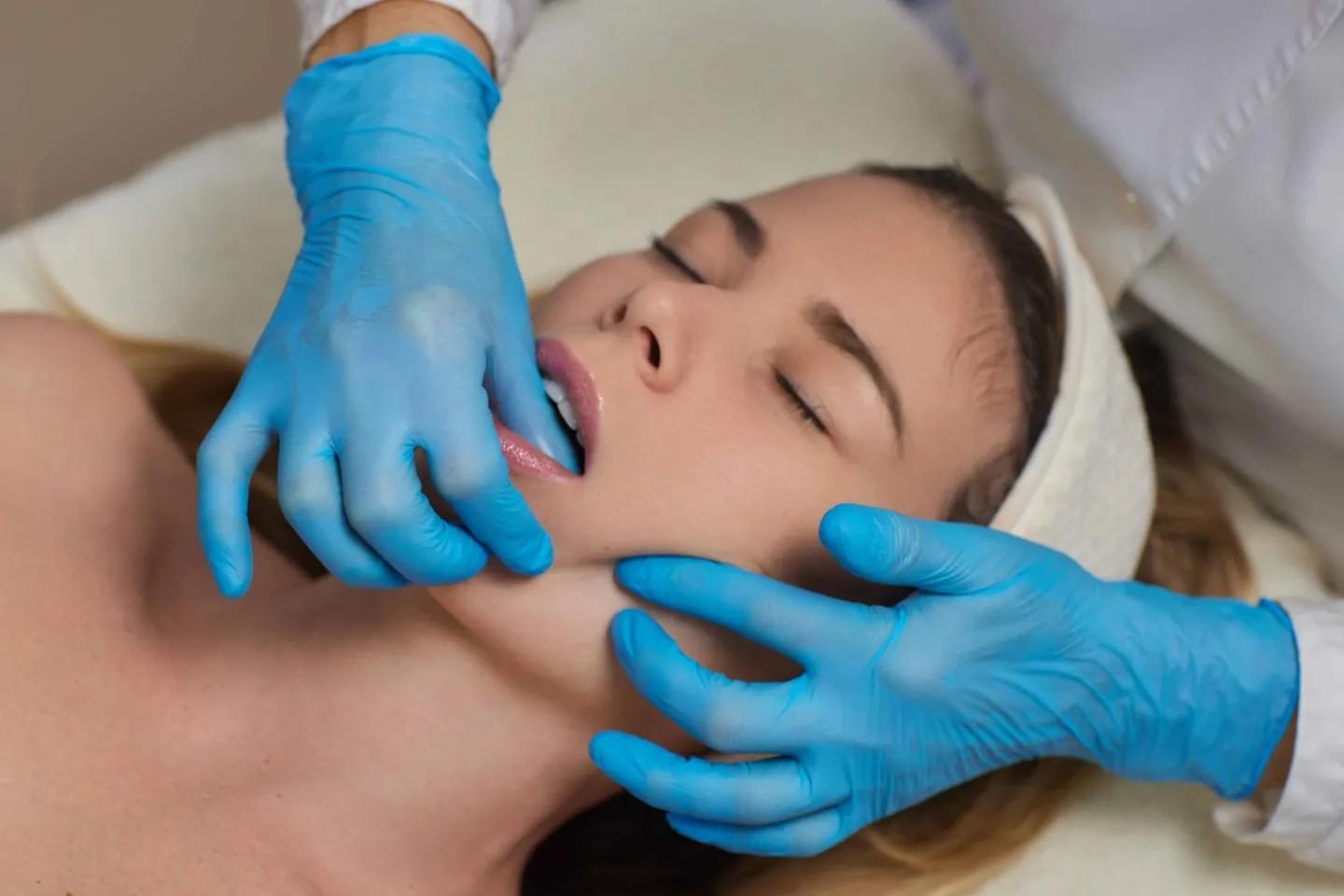
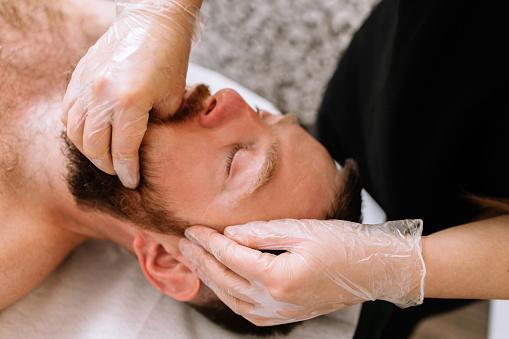
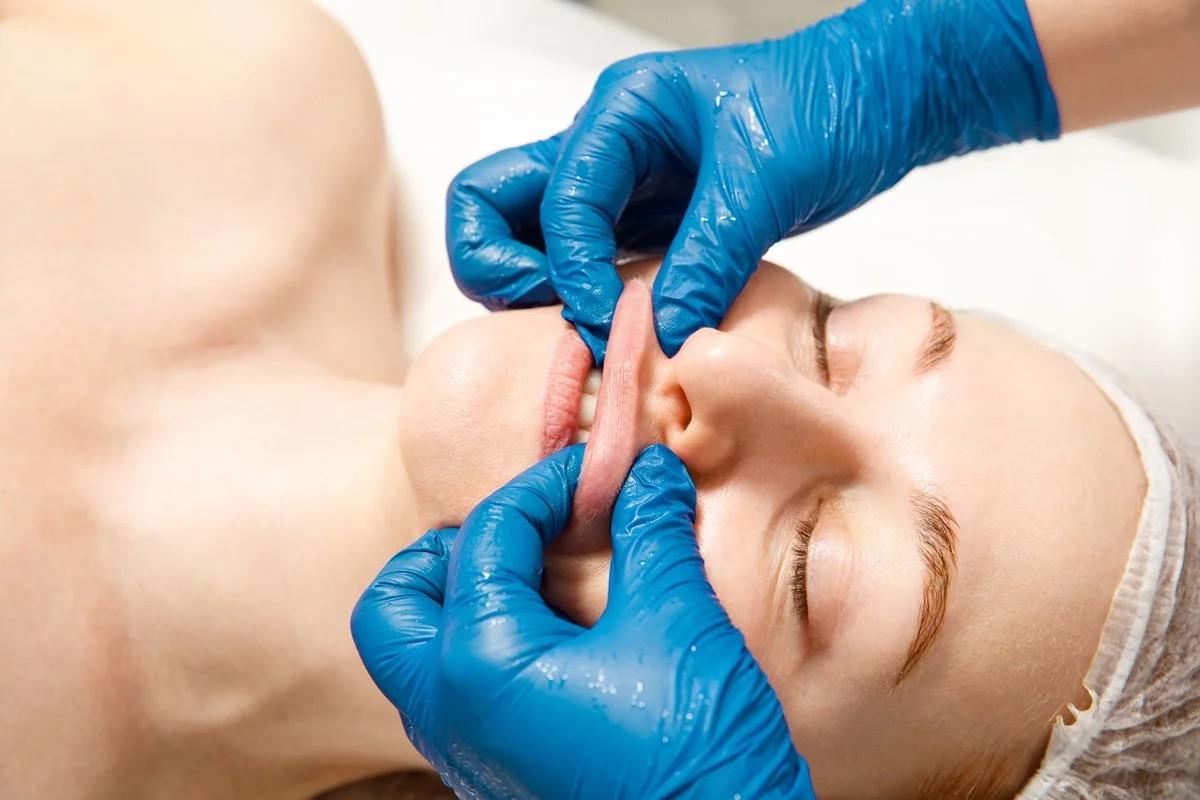
Buccal massage is an advanced facial massage technique performed both on the outside of the face and inside the mouth — with gloved hands working the inner cheek walls, jaw muscles, and oral fascia directly. The word "buccal" simply refers to the cheek and mouth cavity.
Unlike surface-level facial massage, buccal work reaches the deepest layers of facial muscle and connective tissue that no topical product or external massage can access. Because the therapist works from both sides of the tissue simultaneously — inside and outside — compression, release, and lengthening happen with a precision that is structurally impossible any other way.
It was originally developed in clinical and rehabilitative settings for jaw dysfunction, TMJ disorders, and post-surgical facial recovery. It has since moved into advanced aesthetic and wellness practice — not as a "trend," but because the anatomy genuinely supports the outcomes.
Book Here
Education of Buccal Massage
"Demystifying buccal massage: A functional approach to releasing deep jaw tension, answering your questions, and separating facts from internet trends."
Myths
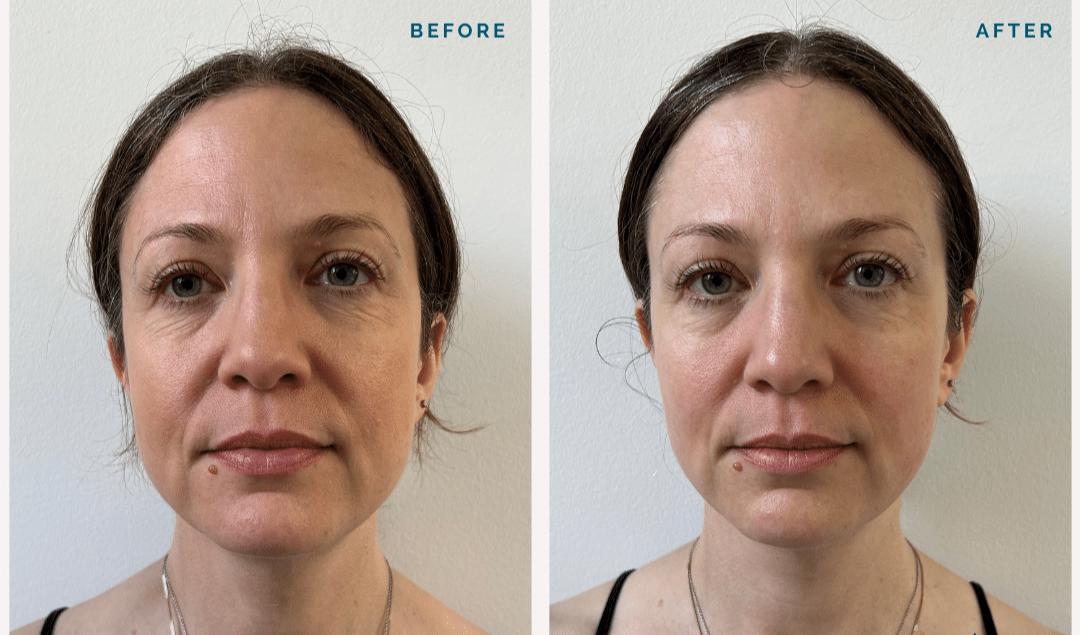
Pictures from 1 Buccal session
FAQ's
Key Benefits
The masseter, pterygoids (medial and lateral), and temporalis are among the most chronically overloaded muscles in the body. Clenching, grinding, stress, and postural habits load them constantly. Buccal technique reaches the medial pterygoid — a muscle you literally cannot address from the outside. Direct intraoral release of these muscles reduces tension patterns that drive headaches, jaw pain, ear pressure, and facial fatigue.
The Superficial Musculoaponeurotic System (SMAS) is the fibromuscular layer connecting facial muscles to overlying skin. Chronic tension, repetitive expression, and collagen changes cause the SMAS to shorten and adhere. Buccal work applies sustained, targeted pressure that mechanically stimulates fibroblast activity and fascial glide — the same principle used in myofascial release systemically. The result is improved tissue mobility and a visible softening of tension-held facial contours.
The buccal fat pad and surrounding tissues contain dense lymphatic vessels. Intraoral manipulation stimulates drainage pathways that external massage cannot adequately reach, reducing chronic puffiness and supporting immune tissue health in the oral and facial region.
Direct manipulation increases local blood flow, delivering oxygen and nutrients while clearing metabolic waste. Over a series of sessions, this contributes to improved tissue tone — not through volume addition, but through the muscle and fascial response to therapeutic stimulus.
The mouth carries extraordinary neurological significance — it's wired to the vagus nerve, trigeminal system, and early survival responses. Slow, intentional intraoral work can shift the autonomic nervous system toward parasympathetic dominance. Clients frequently report a depth of relaxation they don't experience in standard bodywork.
Jaw tension is rarely isolated. The hyoid, cervical spine, and shoulder girdle are all biomechanically linked to the mandible and oral floor muscles. Releasing intraoral tension can have downstream effects on neck, shoulder, and upper back holding patterns — especially in clients with forward head posture.
Contraindications
-Local Absolute Contraindications-
-Systemic Absolute Contraindications-
-Proceed with Caution-
Unmanaged acne
Stimulation of blood, lymph, etc., can spread bacteria and cause further breakouts. Use lymphatic drainage avoiding areas of concern until acne is managed by their provider.
Recent hair removal or exfoliating treatments
Wait 2 weeks for laser hair removal treatment to heal. Other hair removal treatment areas may be red, peeling or sensitive - only lymphatic drainage or light gua sha is indicated; otherwise proceed with caution
Botox/fillers/threads past the times listed above in Local Absolute Contraindications
Be cautious - we don't want to move or damage the substance that was implanted.
History of cold sores
If you are prone to cold sores, Intra oral or any work around mouth can stimulate a speeding up or expression of a cold sore. They can check with their doctor, but if you already use lysine or cold sore prevention meds, now would be the time to proactively use.
Use medicine/herbs that cause blood thinning
Seek health care providers clearance. Any pressure can cause bruising with blood thinning meds. Communicate risk to clients.
Sensitive skin or Rosacea
Work slowly and cautiously; shorter sessions may be helpful; you may be able to condition the tissues for longer sessions. Clearing stagnant lymph can be helpful for acne rosacea. Calming the nervous system is a priority for most rosacea cases, so we usually start with lymph drainage or other calming techniques, then move on to condition the skin.